

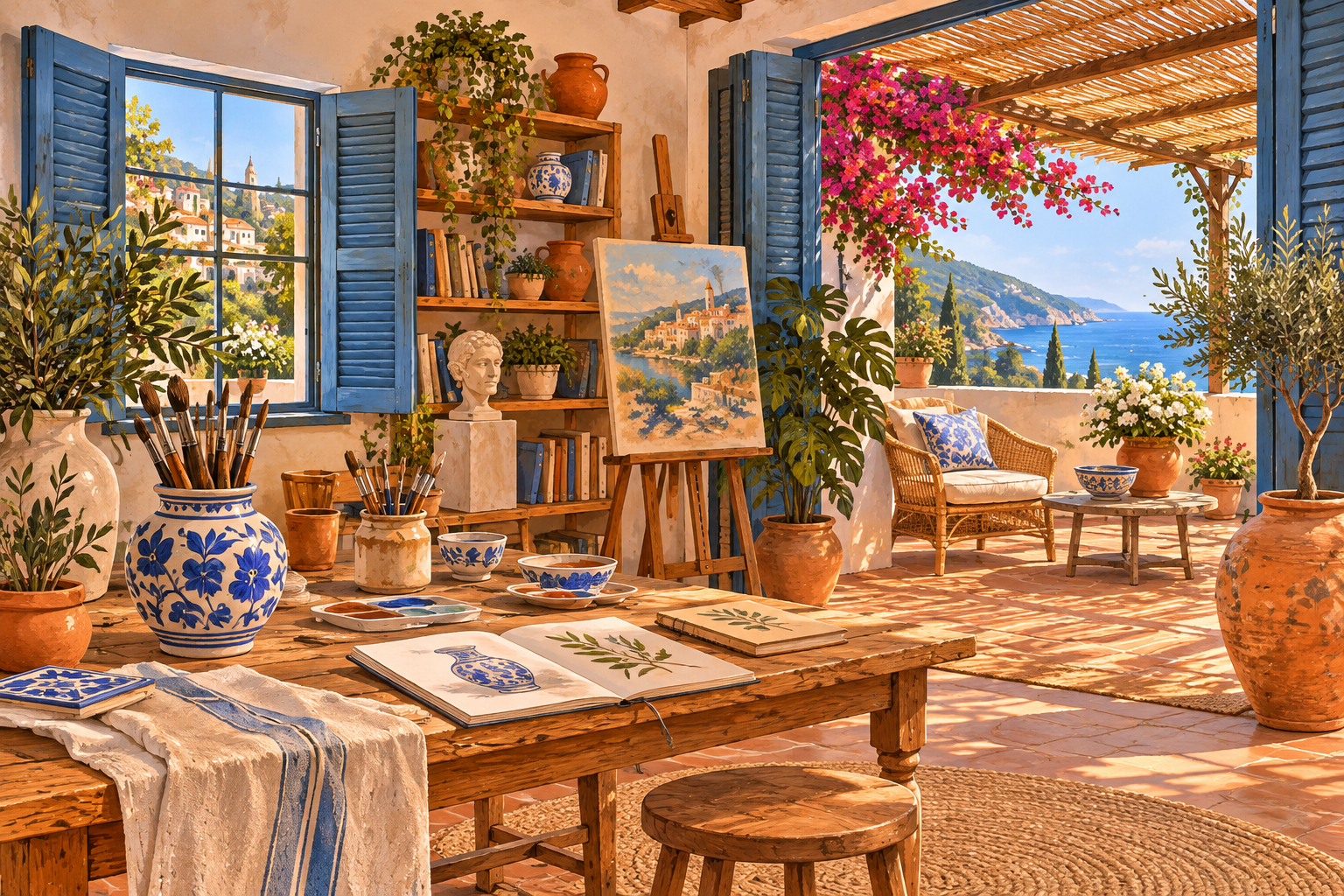
Choosing a Spanish Property for a More Creative Lifestyle
A Spanish property can be much more than a place to sleep, store belongings or spend occasional holidays. With the right layout, light and surroundings, it can support the way you want to live every day. For some buyers, that means creating space for painting, writing, music, gardening, cooking or simply enjoying a slower rhythm away from a busy routine.
Choosing a home around a creative lifestyle requires a slightly different approach to a conventional property search. Instead of focusing only on bedroom numbers or attractive finishes, consider how the property will help you make time for the activities that bring energy, calm and enjoyment to your life.
Start with the lifestyle you want to create
Before viewing homes, describe an ideal ordinary day rather than an ideal holiday. Would you like to write in a quiet room before breakfast, paint near a large window, practise an instrument without disturbing neighbours or work on projects in a shaded outdoor area? These details can reveal the type of property that will suit you far better than a broad wish list.
It can help to divide your plans into three categories:
- Daily activities: reading, working, cooking, exercising or making things.
- Occasional projects: craft, restoration, photography, music or gardening.
- Social use: hosting friends, welcoming family or sharing meals.
This exercise also helps you distinguish between a feature that looks appealing during a viewing and one that will genuinely improve your routine. A large terrace may be attractive, for example, but a quiet interior room with dependable natural light could be more valuable if your main ambition is to work creatively throughout the year.
Look for adaptable space rather than perfection
The most useful creative space is not necessarily a dedicated studio. A spare bedroom, enclosed terrace, generous landing or underused dining area may become a workspace with thoughtful furnishing. Adaptability is particularly useful if the property will serve several purposes, such as a second home, a full-time residence or a place for visiting relatives.
When viewing, consider whether rooms can be rearranged without major building work. Check the position of sockets, the amount of wall space, ventilation and how easily equipment can be carried in and out. Storage is also important. Art materials, musical instruments, books, sewing supplies and gardening tools can quickly make a room feel crowded if there is nowhere to keep them.
For inspiration, browsing the wider European Bricks property blog can be a useful way to compare different lifestyle considerations before deciding which features matter most to you.
Make natural light part of the decision
Light affects mood, comfort and the way a room can be used. A bright room may work well as a studio, reading space or office, while a shaded area could be more comfortable for concentration during warmer months. Try to view a property at different times of day if possible, or ask how the rooms feel in the morning, afternoon and evening.
Do not assess brightness only from estate-agent photographs. Notice the direction of the windows, the depth of surrounding shade and whether neighbouring buildings affect privacy. Glare can also be a problem for screens, artwork or photography. Practical features such as shutters, blinds and curtains may make a significant difference to how versatile a room feels.
Think carefully about noise and privacy
Creative activities often need concentration. A home beside a busy road, near regular evening activity or with thin internal walls may be less suitable than it first appears. During a viewing, pause and listen. Keep windows open and closed to compare the sound levels, and consider whether outdoor areas face public routes or neighbouring homes.
Privacy does not have to mean complete isolation. Some buyers enjoy being close to cafés, markets and community life while still having a calm room or sheltered terrace at home. The key is to understand where you will go when you want conversation and where you will retreat when you need uninterrupted time.
Match the property to your practical hobbies
Every creative interest has practical requirements. A keen gardener may need water access, tool storage and manageable planting areas. Someone who enjoys furniture restoration may need a workshop or covered space. A photographer may prioritise changing light, clean backgrounds and secure equipment storage. A musician could need acoustic separation and a room that can be closed off from the rest of the home.
Write down the less glamorous requirements before you view. Ask yourself:
- Where will materials be delivered and stored?
- Can large items pass through the entrance and internal doors?
- Is there enough ventilation for paints, finishes or clay?
- Will the floor and walls tolerate the activity?
- Can the space be used comfortably in both warmer and cooler seasons?
These questions can prevent an attractive but impractical property from becoming an expensive project later.
Consider how guests fit into your creative life
A home designed for creativity should still work when friends or family visit. An independent guest room, a flexible sitting area or a separate entrance can make it easier to welcome people without abandoning your usual routine. If you expect frequent visitors, think about whether your workspace can be closed away or whether it will need to serve as guest accommodation.
Privacy works in both directions. Visitors may appreciate their own comfortable area, while you may value a room or corner that remains yours. This balance is especially important if your Spanish property will be used for extended stays rather than short breaks.
Explore the surroundings as well as the house
A creative lifestyle is shaped by the wider setting. Walk around the area during a viewing and look for places that support your interests, such as cafés for reading, markets for inspiration, cultural venues, walking routes or shops selling practical supplies. Also consider how easy it is to reach everyday services when you do not want to spend the day travelling.
Different parts of Spain offer very different rhythms, from lively urban districts to compact villages and countryside settings. The right choice depends on how much stimulation, convenience and quiet you want in ordinary weeks. The About Us page for European Bricks provides helpful background on the agency as you develop your property search.
Plan for a home that can evolve
Your interests may change over time. A room used as an office could later become a studio, guest room or library. A terrace might begin as a place for morning coffee and later become a gardening or entertaining area. Look for properties that leave room for these changes without requiring a complete redesign.
It is also sensible to keep a realistic budget for furniture, storage, lighting and minor adaptations. General information about property costs and practical ownership should be treated as guidance only, not as personalised legal or financial advice. For decisions involving contracts, building work, tax or finance, consult appropriately qualified professionals.
Turn the search into a personal brief
Once you understand your preferred routine, create a short brief with essential, desirable and optional features. Essentials might include a quiet room, reliable natural light and storage. Desirable features could be a covered terrace, workshop or garden. Optional details may include a particular view, traditional finish or extra room.
Keeping the brief focused helps you compare homes consistently. It also makes conversations with a property professional more productive, because you can explain how you intend to live rather than simply listing rooms and locations. You can begin by exploring the European Bricks home page and then refine your search around the lifestyle that feels most authentic to you.
When you are ready to discuss your requirements, you can contact European Bricks with a clear summary of your preferred property style and everyday priorities.
The best Spanish home for creative living is not necessarily the largest or most dramatic. It is the one that makes your chosen activities feel easy to begin, comfortable to continue and naturally connected to the rest of your life.