

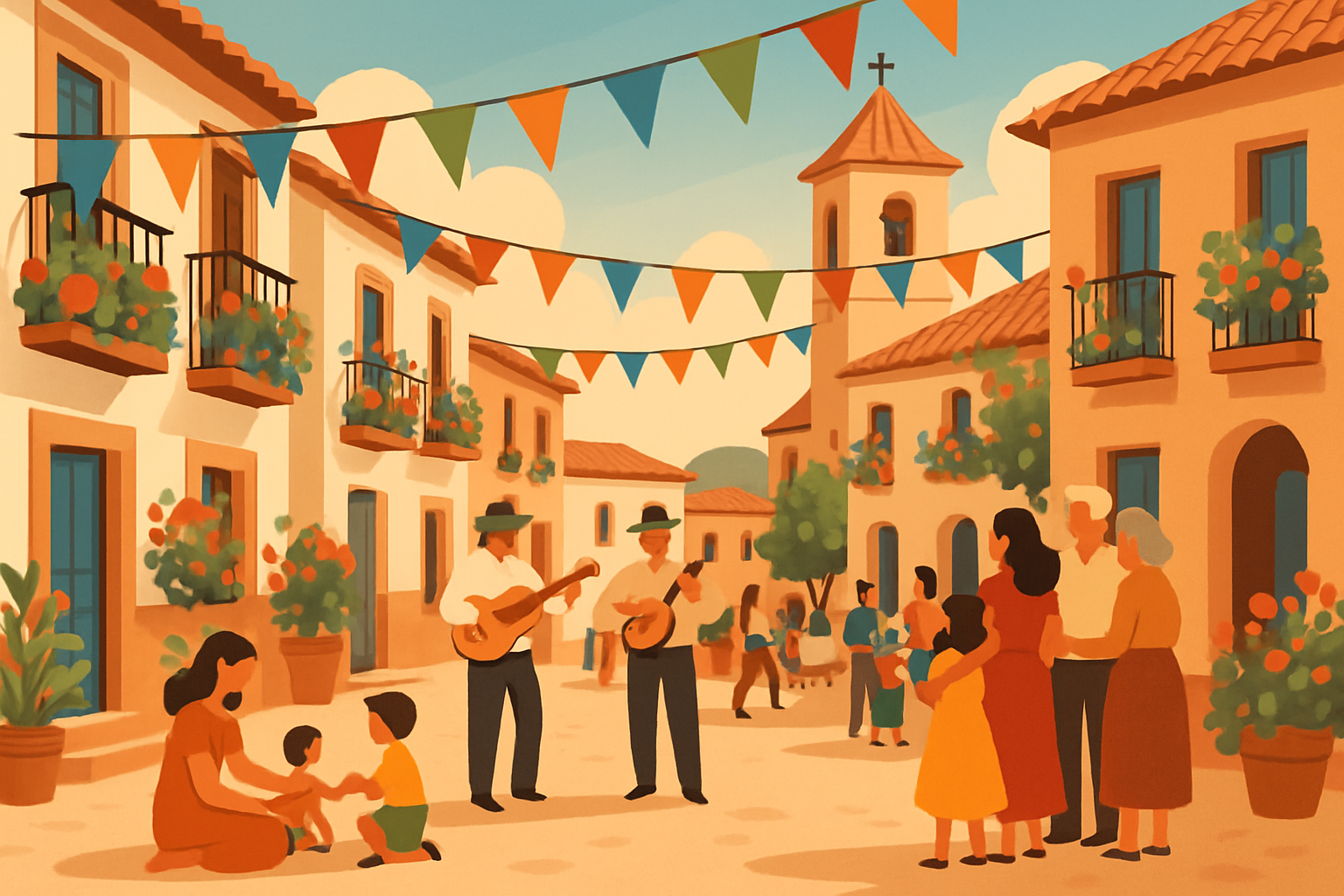
How Spanish Festivals Can Guide Your Property Search
Spain’s regional festivals are more than colourful dates on a tourist calendar. They can reveal how communities spend time, use public spaces and maintain local traditions throughout the year. For anyone considering Spanish property, attending a fiesta can offer a different perspective on whether an area feels suitable for everyday life.
From winter parades and spring processions to summer street celebrations and autumn food festivals, Spain’s event calendar changes considerably from one region to another. The important point for a buyer is not simply to choose a location with the biggest celebration. It is to understand how local events might fit with your preferred lifestyle, property type and long-term plans.
Why local events matter when choosing a Spanish home
A property viewing often takes place during a quiet weekday, when streets are calm and nearby facilities may appear empty. A local celebration can show the same area in a completely different way. Streets may become gathering places, squares may host music or food stalls, and neighbours may spend more time outdoors together.
This can help you assess the character of an area beyond its buildings. You may notice whether the community feels family-oriented, sociable, culturally active or strongly seasonal. You may also discover practical details, such as temporary road closures, increased traffic, evening noise or limited parking during the busiest parts of an event.
For broader inspiration, the European Bricks property blog can be a useful place to compare lifestyle, buying and regional topics before arranging viewings.
Spain’s seasonal traditions offer different lifestyle clues
Winter: family traditions and community routines
The festive season often extends beyond Christmas Day in Spain. Three Kings celebrations on 5 January traditionally include colourful parades, music and family activities. In some areas, winter events also involve nativity displays, local markets and community gatherings.
These traditions can be particularly relevant if you are looking for a home where family life and intergenerational connections are important. They may also show whether a community remains active outside the main summer season. If you plan to live in Spain throughout the year, this quieter period can be just as important as the warmer months.
Spring: heritage, faith and public spaces
Spring brings a wide range of regional customs, including Easter processions, local fairs, craft markets and celebrations connected with food or agriculture. The style and atmosphere can differ greatly between regions, so it is wise to experience an event in person rather than relying on a general impression of Spain.
Spring events can also help you understand the design of an area. Historic centres may be used for processions and performances, while larger open spaces may accommodate fairs and temporary attractions. If you are considering a traditional townhouse, an apartment near a central square or a rural home outside the main settlement, the location of these activities may influence your decision.
Summer: outdoor living and seasonal energy
Summer is often associated with evening concerts, open-air dining, village fiestas, fire-related celebrations and festivities linked to local saints. San Juan, traditionally celebrated around 23 June, is one example of a widely recognised summer custom, although the way it is marked varies between places.
These events can be a positive part of Spanish life, especially if you enjoy social evenings, music and outdoor gatherings. However, buyers should consider how much activity they actually want close to home. A property near a central plaza may offer convenience and atmosphere, but it could also experience more noise during major celebrations. A home on the edge of a settlement may provide greater peace while remaining within reach of local events.
Autumn: food, harvests and local identity
Autumn traditions often reflect the agricultural character of a region. Harvest-related activities, food fairs, chestnut gatherings and local produce festivals can reveal which products and industries shape the surrounding area. These events may be especially appealing if you enjoy farmers’ markets, traditional cooking and a slower connection with seasonal life.
They can also help you investigate the practical setting of a property. If an area has strong agricultural traditions, you may want to ask about nearby farmland, seasonal farm traffic, agricultural smells or changes in the landscape throughout the year. These are not necessarily disadvantages, but they are part of understanding a property in context.
Questions to ask while attending a local fiesta
Enjoying an event is only one part of the research. Try to observe the area as a potential resident rather than only as a visitor. Consider the following questions:
- Does the event attract mostly local residents, visitors or a mixture of both?
- Are activities concentrated in one square, spread through the streets or held outside the main settlement?
- How late does the music or entertainment continue?
- Are public transport, taxis and parking affected?
- Do cafés, shops and restaurants remain open during the celebration?
- Does the area feel active outside the event period?
- Would the event add to your enjoyment of the property or become an occasional inconvenience?
It is also worth speaking politely with residents, business owners or your property agent. Their views may help you understand which celebrations are central to community life and which are larger one-off occasions.
Match the event calendar to your property priorities
Your ideal location may depend on how you intend to use your home. If you want a lock-up-and-leave property, excellent access to restaurants and a lively social atmosphere, being close to a traditional centre may suit you. If your priority is privacy, uninterrupted sleep or outdoor space, you may prefer a quieter position with straightforward access to events rather than a home directly beside them.
Families may want to check school routines, children’s activities and the availability of safe public spaces. Retirees may prefer a community with year-round events rather than one that becomes very quiet outside the holiday season. Buyers considering a second home should think about whether the local calendar aligns with the months they expect to visit.
Area guides can provide another useful layer of research. For example, reviewing an area guide to Carcaixent alongside your own visits can help you compare the practical and lifestyle details that matter when evaluating a Spanish location.
Do not confuse a festival visit with full due diligence
A lively fiesta can create a memorable first impression, but it should not replace proper property research. Visit at different times of day and, where possible, in more than one season. Check access roads, local services, drainage, utilities, internet availability and the condition of the building.
If you are considering a property close to a venue, plaza or historic centre, ask your independent legal and professional advisers about any relevant planning, access or community matters. General information cannot account for the circumstances of a particular property, and legal or financial decisions should be based on qualified advice.
European Bricks can be part of your initial property research, while your own visits and independent checks remain essential. If you would like to discuss your search, you can contact European Bricks with your questions.
Let Spanish traditions inform, not dictate, your decision
Regional events offer a valuable way to understand the rhythm of Spanish life. They show how people gather, celebrate, preserve customs and use their surroundings. By observing the calendar alongside transport, amenities, property condition and personal priorities, you can build a more realistic picture of an area.
The best Spanish home is not necessarily beside the largest festival or in the quietest possible setting. It is the property whose surroundings match the way you hope to live. Use local traditions as one part of a wider viewing strategy, and they may help you recognise not only an attractive home, but a community where you can feel genuinely at ease.
For more information and property guidance, visit European Bricks.