

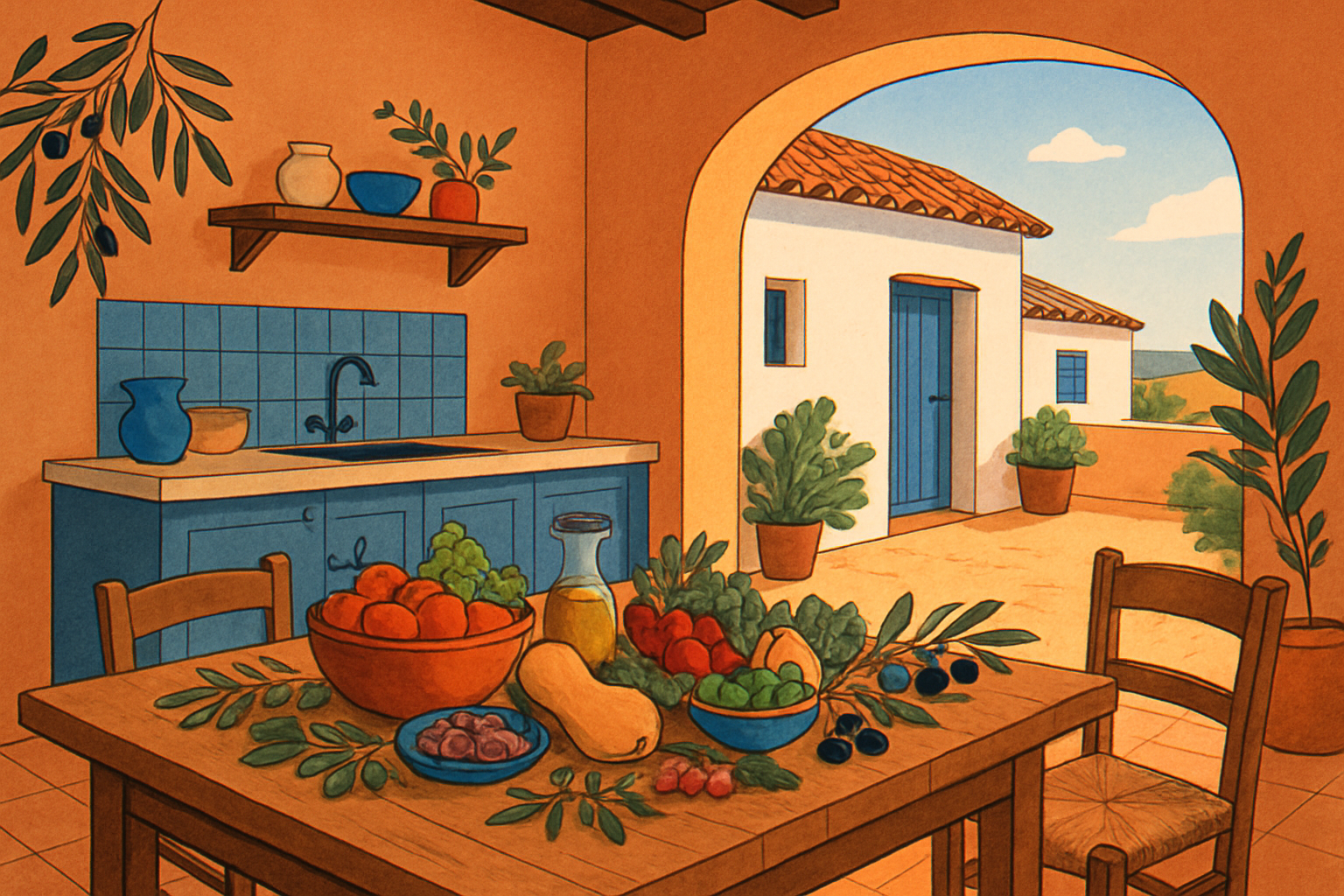
How Spanish Food Culture Shapes the Property Lifestyle
Spanish food is more than a collection of well-known dishes. It is closely connected to daily routines, social life and the way people use their homes. For anyone interested in Spanish property, understanding food culture can offer useful insight into what everyday life may feel like after a move or extended stay.
From leisurely lunches to evening gatherings on a terrace, Spanish culinary traditions often encourage people to spend time together. They can also influence the features buyers value in a home, including outdoor areas, practical kitchens and spaces designed for entertaining.
Food as part of the Spanish daily rhythm
One of the most distinctive aspects of Spanish food culture is the importance of time. Meals are frequently treated as social occasions rather than something to be completed as quickly as possible. Lunch may be a substantial part of the day, while dinner is often enjoyed later than in many northern European countries.
This rhythm can affect how people think about a property. A home is not only a place to sleep; it may also be the setting for long lunches, family meals, coffee with neighbours and relaxed evening conversations. Buyers who appreciate this way of life may place particular importance on dining areas, shaded outdoor spaces and kitchens that connect naturally with the rest of the home.
The kitchen as a social space
Spanish cooking ranges from simple seasonal meals to elaborate family recipes, but many traditions share an emphasis on fresh ingredients and communal enjoyment. Preparing food can be part of the occasion, especially when friends or relatives are visiting.
For property buyers, this makes the kitchen an important area to consider. A well-planned kitchen does not necessarily need to be large, but it should be practical and comfortable. Good storage, natural light, durable work surfaces and a layout that allows conversation can all contribute to a more enjoyable lifestyle.
Open-plan designs may appeal to buyers who want to remain involved with guests while preparing food. Others may prefer a separate kitchen that keeps cooking activity contained. The right choice depends on personal habits, but Spanish food culture generally supports the idea that the kitchen should be an active, welcoming part of the home.
Outdoor dining and Mediterranean living
Spain’s food traditions often work particularly well with outdoor living. Sharing small plates, serving fresh produce or enjoying a simple drink at the end of the day can feel even more relaxed on a balcony, patio or terrace.
When viewing Spanish property, it can be helpful to imagine how an outdoor area would be used throughout the year. Is there enough room for a table and chairs? Is the space protected from strong sun? Could it accommodate potted herbs, citrus plants or a compact barbecue where permitted? These practical questions may reveal whether a property supports the lifestyle you want.
Even a modest balcony can become useful with thoughtful furniture and shade. A larger terrace may provide room for family meals, while a garden can offer additional privacy and space for growing ingredients. Outdoor areas do not need to be elaborate to become an important part of everyday life.
Local ingredients and the sense of place
Spanish cuisine is strongly influenced by local produce, climate and regional traditions. Olive oil, vegetables, seafood, rice, pulses, cured meats, cheese and bread all appear in different combinations across the country. Seasonal availability also helps shape what people cook and eat.
This relationship between food and place is worth considering when exploring property. Living in Spain can introduce you to ingredients and culinary customs that vary from one region to another. A home near shops, food markets or neighbourhood cafés may offer a more convenient way to participate in local routines.
Location remains a personal decision, and proximity to everyday amenities should be considered alongside property features, transport, services and the setting that suits your plans. To begin exploring the wider possibilities, you can visit the European Bricks home page and review the available information about Spanish property.
Markets, shopping and community life
Food shopping can be a social experience as well as a practical task. Local markets and independent shops often provide opportunities to discover regional products, ask for preparation advice and develop familiar routines. These places can also help newcomers feel more connected to their surroundings.
For buyers, this is one reason to look beyond the interior of a property. Consider the walkable surroundings and the character of the nearby area. A home may be attractive in isolation, but its relationship with shops, cafés and communal spaces can have a major effect on how enjoyable it is to live there.
The appeal of Spanish food culture is not limited to formal dining. A morning coffee, a visit to a bakery or a few ingredients bought for a spontaneous meal can all become small but meaningful parts of the week.
Designing a home for guests and family
Spanish hospitality often centres on sharing food. This does not mean every property needs a large dining room. Flexible furniture, extendable tables and comfortable seating can make a compact home suitable for both everyday use and occasional gatherings.
Storage is also important. A home that accommodates serving dishes, cookware, glassware and pantry items may be easier to enjoy when hosting. If you are considering a property for holidays, think about whether the kitchen and dining areas can cope with the number of people likely to use them.
For a permanent home, adaptable spaces may be especially valuable. A dining area can double as a workspace, while a covered terrace may serve as a breakfast spot, reading area or place to entertain friends. The most successful arrangement is usually the one that reflects how you genuinely live rather than following a particular design trend.
A lifestyle choice as well as a property choice
Spanish food culture offers a useful reminder that buying property is also about choosing a daily lifestyle. The best home for you may be the one that supports the routines you value: relaxed meals, outdoor evenings, easy access to fresh ingredients or regular gatherings with family and friends.
Before making decisions, write down how you expect to use the property in different seasons. Consider whether you want a home for short breaks, longer stays, retirement, relocation or a mixture of purposes. Your answers can help you compare kitchens, terraces, dining areas and surrounding amenities more objectively.
Every purchase involves individual circumstances, and general lifestyle information should not be treated as legal, tax or financial advice. For questions about your property search or to discuss your requirements, you can contact European Bricks directly.
Final thoughts
Spanish food culture is built around flavour, seasonality and connection. Those same qualities can influence the way people experience a home, from the design of the kitchen to the use of a terrace and the convenience of local shopping.
By considering food, hospitality and everyday routines alongside bedrooms and floor plans, prospective buyers can develop a more complete picture of Spanish living. A property that supports the way you want to spend your time may become more than an investment or holiday base; it can become the setting for a richer Mediterranean lifestyle.